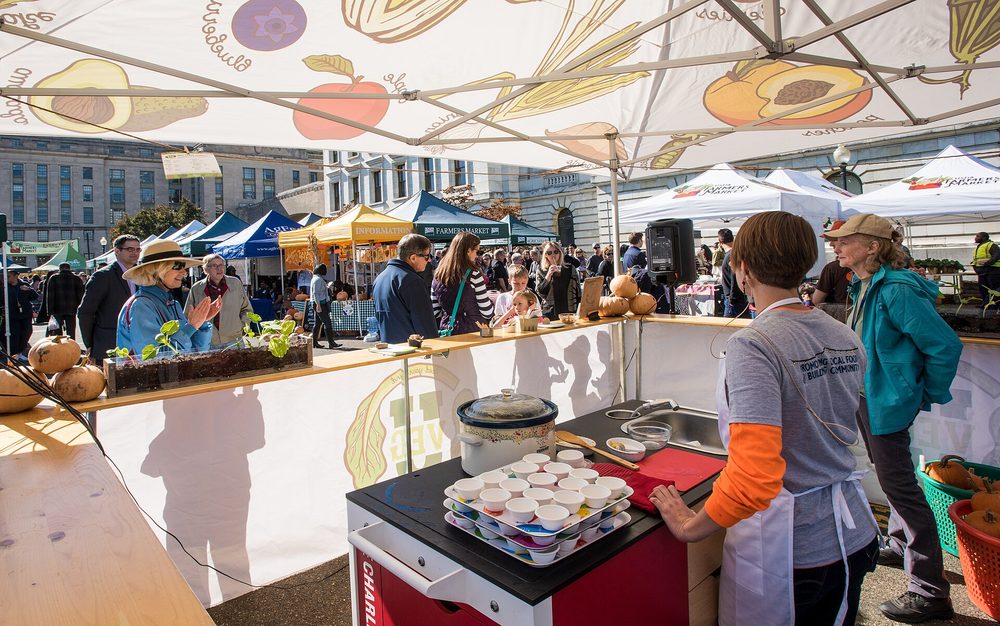
Specialty produce growers—mushroom farms, heirloom tomato operations, microgreens producers—usually start by selling wholesale to restaurants and farmers markets. The margins are thin, the orders are unpredictable, and you're always chasing the next buyer. But there's a parallel economy: direct-to-consumer (DTC). A Michigan mushroom farm we worked with was selling 60% of output wholesale at $2.50/lb. They launched a DTC email program and farmers market presence, and within 18 months, 40% of revenue came from direct sales at $6-$8/lb. Same mushrooms, three times the margin, and customer loyalty that wholesale never delivers.
The DTC Funnel for Seasonal Produce
Specialty produce has a natural advantage: scarcity and seasonality drive urgency. A CSA (Community Supported Agriculture) model is the most reliable. You pre-sell boxes for a season, guarantee delivery, and lock in revenue before harvest. A Pennsylvania mushroom farm launched a spring CSA with 40 pre-paid shares at $25/week for 12 weeks = $12,000 guaranteed revenue before spending on marketing. They used email (built from farmers market signups), Instagram Reels showing cultivation, and one local podcast interview. Cost to acquire that customer list: roughly $500 in ads + 10 hours of content creation. Revenue per customer: $300 per season. That's 40X return.
The second tier is wholesale-plus-DTC. You still sell to restaurants and stores, but you email customers every Wednesday with what's in stock: 'This week: Lion's Mane, Oyster Mushrooms, Fresh Shiitake. Order by Friday for Saturday pickup.' A California-based specialty mushroom distributor we tracked runs this model. Their email list is 2,100 people. Average open rate: 28% (typical is 18-22%). Average order value: $35-$50. Conversion rate: 6-8%. That translates to 150-170 orders per email, or $5,250-$8,500 per mailing. They mail weekly, 52 times per year. That's $273K-$442K in annual revenue from one email list, all from a farm grossing $600K total.
Building Your Owned Audience (Email, Not Social)
- Farmers market signup: place a QR code at your stand. Ask customers 'What's your favorite of our mushrooms?' and collect emails. Target: 20-30 emails per market day.
- Website popup: 'Get weekly harvest updates + exclusive online-only pricing.' Free resources like a growing guide or recipe. Capture 15% of website visitors.
- Referral incentive: 'Give a friend our box, get $10 credit.' One referral per customer over a season = 30% list growth.
- Partnerships: partner with a complementary business (organic cheese maker, artisan bread baker). Cross-promote to their email list.
- Local PR: one farmers market feature, one local food blog mention = 50-100 new emails per story.
Content That Sells Specialty Produce (Without Feeling Salesy)
People don't want to read marketing emails about mushrooms. They want recipes, growing facts, and stories that make them feel connected to the grower. Your content should be 70% value, 30% selling. A 15-person mushroom growing cooperative in Oregon sends weekly emails with a structure: (1) photo of the week's harvest, (2) one 100-word growing fact ('Did you know Lion's Mane mushrooms were used in Traditional Chinese Medicine for 2,000 years?'), (3) one simple recipe, (4) link to order. Their click-through rate: 12% (industry average is 2-3%). Their conversion rate: 5% of clicks. Their unsubscribe rate: 0.2% (industry average is 0.5%). Why? The content is genuinely interesting to their audience, and the call-to-action feels natural.
Video content performs exceptionally well for produce. A 30-second Reel of you harvesting mushrooms, or a 60-second clip of prep-to-plate gets 40-60% engagement rates on Instagram and TikTok. A Colorado microgreens farm posted one video per day for 90 days, and their TikTok followers grew from 200 to 8,200. They linked to an email signup in bio. Result: 350 new email subscribers from TikTok in one quarter. Email list size matters less than engagement; a 500-person list with 25% open rate beats a 2,000-person list with 8% open rate. Quality over quantity.
Specialty produce customers don't buy commodity mushrooms. They buy a connection to the farm and the grower's passion.
Pricing and Positioning for Margins
Wholesale prices for specialty produce are 30-50% lower than DTC. A pound of fresh oyster mushrooms wholesales for $2.50-$3.50; direct-to-consumer pricing is $6-$9/lb. The difference is customer acquisition cost and packaging. DTC customers expect better presentation, faster shipping (or pickup), and relationship. They're willing to pay for it. Most growers underprice because they don't understand their market. A Michigan mushroom farm was selling pre-packaged 8-oz containers DTC at $8.99. They tested $12.99 with a 'Premium Local Harvest' label, messaging around sustainability and freshness. Sales dropped 15%, but profit per unit increased 42%. They'd found their true price.
Bundle pricing works exceptionally well for seasonal produce. Instead of selling one mushroom variety, sell a 'Grill Season Bundle' (Portobello, Oyster, Shiitake) at $18 with a recipe card. Or a 'Soup Starter Kit' (Lion's Mane, Shiitake, fresh herbs) at $22. A New York-based specialty farm tested bundling and saw average order value increase from $28 to $47 within two months. Bundles also reduce decision fatigue—customers don't have to pick; you've curated for them.
Logistics: Making Shipping Viable (or Not)
- Local pickup is your friend: reduce shipping costs from $8-$12 to $0. Offer weekly pickup at farmers market, a local store partner, or your farm.
- Regional shipping (same-day or next-day): use FedEx or UPS with cold packs. Viable if order minimum is $35+.
- Wholesale-level shipping: only for large orders (25+ lbs). Not worth the logistics for small DTC orders.
- Subscription model: weekly boxes on a schedule remove fulfillment unpredictability and increase repeat revenue.
- Partner with local delivery services: apps like Instacart or local grocery delivery services can handle fulfillment for a commission.
30-Day DTC Launch Playbook
Week 1: Set up infrastructure. Email platform (ConvertKit, Mailchimp, or Brevo—all under $25/month). Landing page (Carrd or Webflow—templates under $50). Payment processor (Stripe or Square). Decide: subscription model or a la carte ordering?
Week 2: Audience building. Create farmer's market QR code signup. Write 3 welcome emails (introduction + value + first offer). Set up Instagram Reels schedule (1-2 per week for 8 weeks). Target: 100 email subscribers by end of week.
Week 3: Content and social. Post 2-3 pieces of content weekly (Reel, story, email). Each should teach, entertain, or inspire—not pitch. Track which content gets the highest engagement. Aim for 500 social followers and 200 email subscribers.
Week 4: Launch and adjust. Send first product email. Start taking orders. Track conversion rate, average order value, and customer acquisition cost. Plan next season's CSA or subscription based on what works. By week 4, you should have 10-20 DTC orders and a repeatable system.
Want this working inside your own stack?
NetWebMedia builds AI marketing systems for US brands — from autonomous agents to full AEO-ready content engines. Book a free 30-minute strategy call and we'll map out the highest-ROI next step for your team.
Book a Free Strategy Call →Share this article
Comments
Leave a comment